THE NOISE GOAL
45 dB indoors
It is a HUD goal that the indoor sound environment not exceed a day-night average of 45 decibels, with attenuation used where feasible, especially for bedrooms.
Check a street soundproofhouses
OVERHEATING AND NOISE
On a hot night, the easiest fix is an open window.
Check a bedroom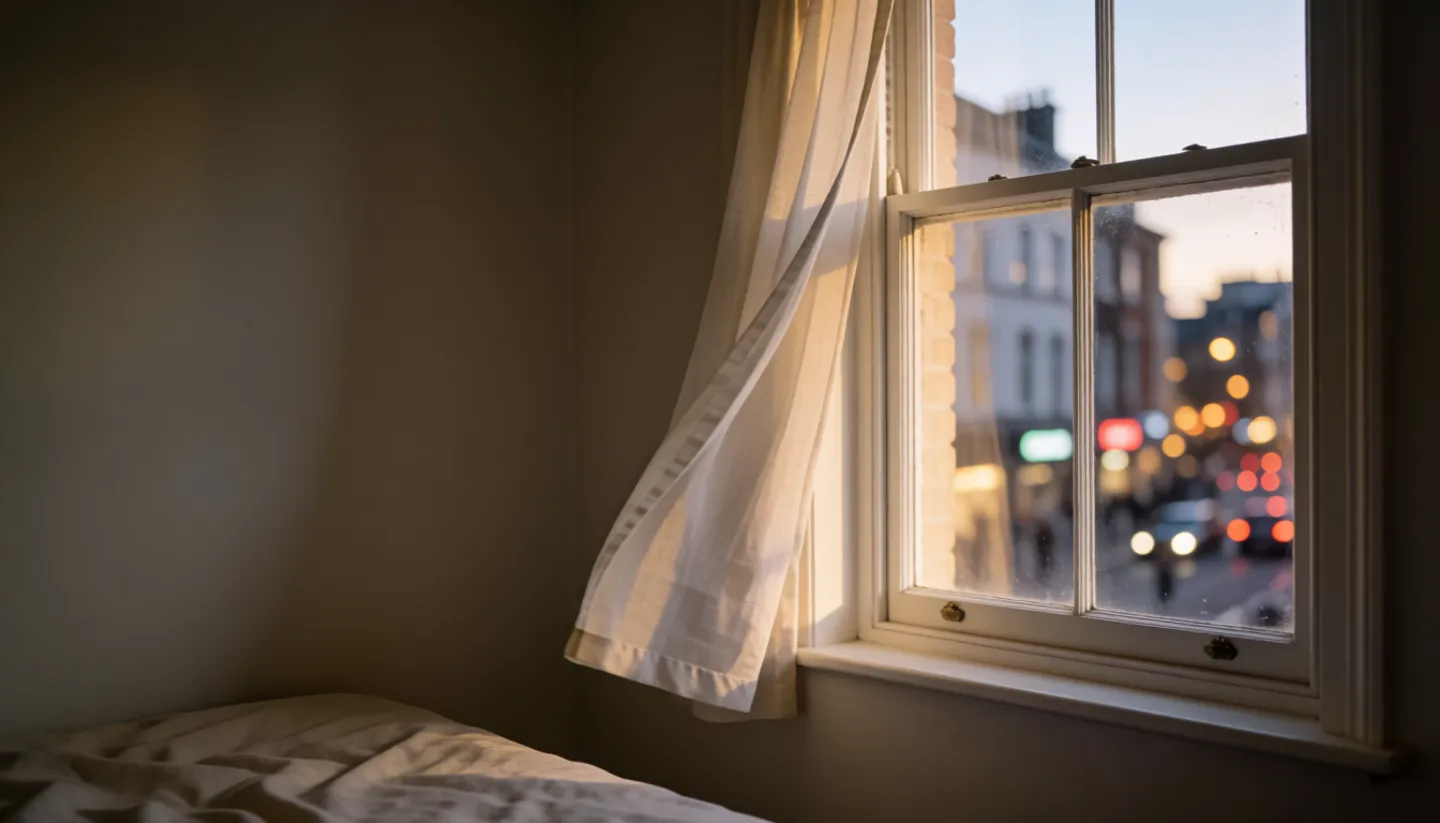
45 dBHUD's indoor goal
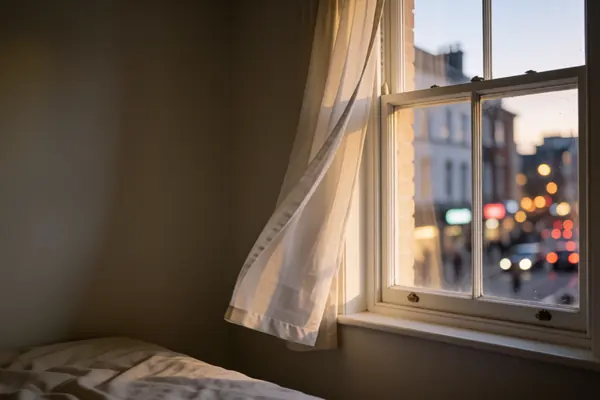
But on a busy road, an open bedroom window lets in traffic, voices and sirens. HUD's noise policy sets a goal that indoor sound stay at or below a 45-decibel day-night average, with special attention to bedrooms.
At a glance
45 dB
Day-night average sound level indoors
It is a HUD goal that the interior auditory environment not exceed a day-night average sound level of 45 decibels.
INDOOR GOAL · 24 CFR 51.101
65 dB
Outdoor level counted as acceptable
Sites with a day-night average sound level of 65 decibels and below are acceptable and allowable for HUD-assisted housing.
SITE STANDARD · 24 CFR 51.101
TWO NUMBERS WORTH KNOWING
Both figures are day-night averages
from HUD's noise policy.
HUD's policy applies to its programs that provide assistance, subsidy or insurance for housing. It is a useful yardstick for any home, but not a rule for privately built houses.
A QUICK STREET CHECK
Pick the situation closest to your home to see how HUD's noise policy treats it. The bar shows how hard it is to rely on an open window at night.
Based on HUD's environmental noise policy, 24 CFR 51.101, which applies to HUD-assisted housing programs, and CDC heat guidance. General information, not professional advice.
THE SHORT ANSWER
Keeping heat out matters as much as letting it out.
Noise decides whether windows can do that job.
THE NOISE GOAL
It is a HUD goal that the indoor sound environment not exceed a day-night average of 45 decibels, with attenuation used where feasible, especially for bedrooms.
Check a streetSHADE
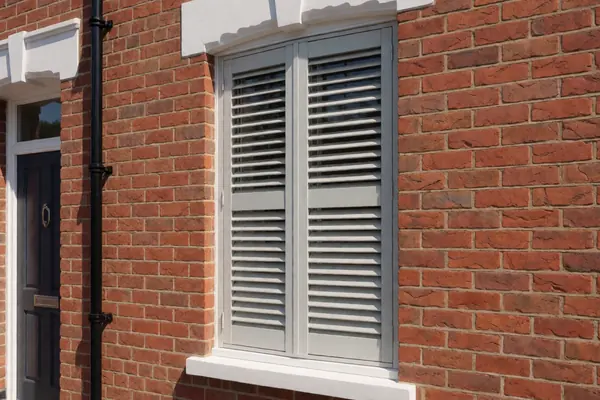
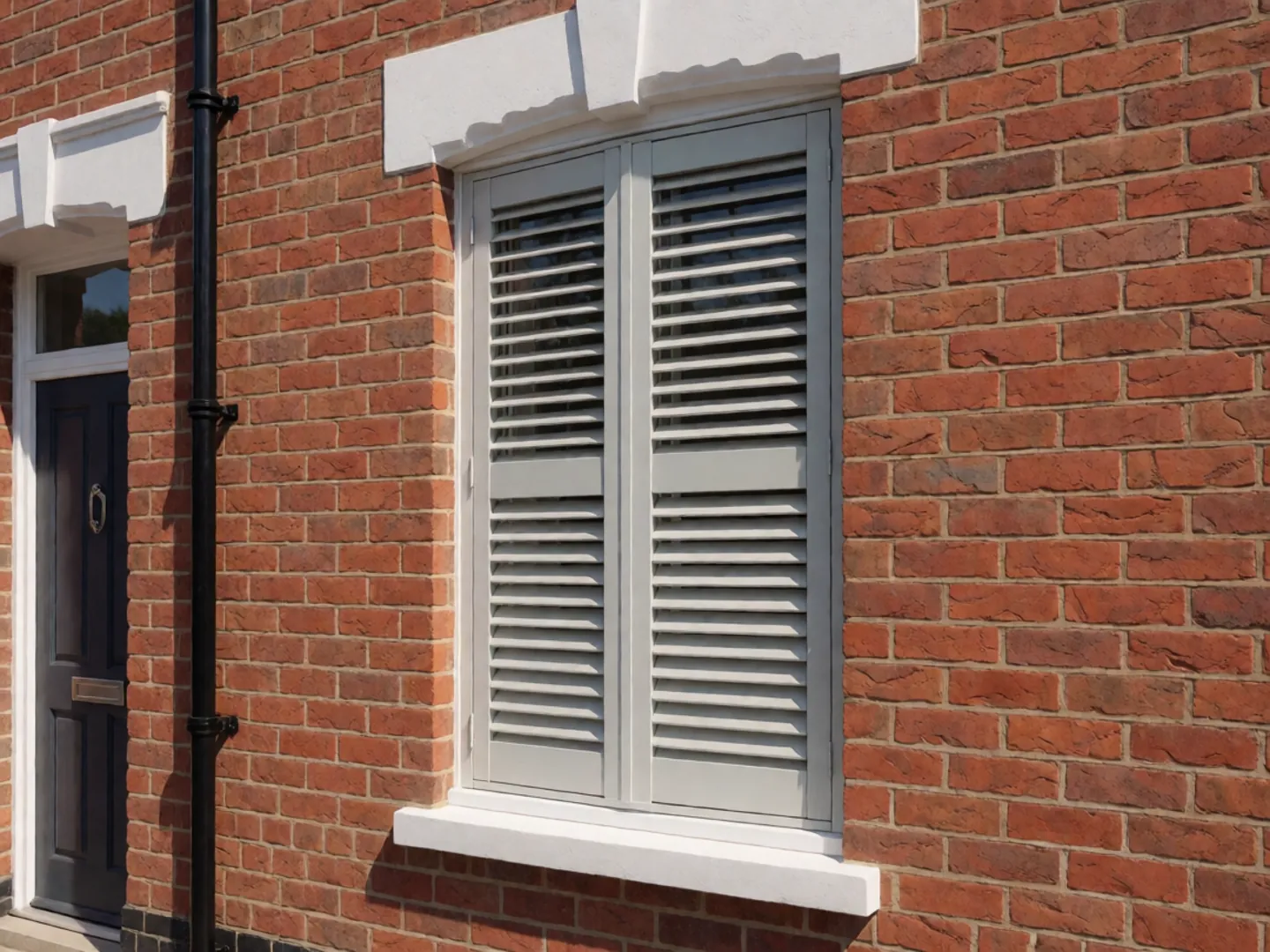
Ready.gov advises covering windows with drapes or shades and suggests window reflectors to send heat back outside.
Keep heat outAT HOME
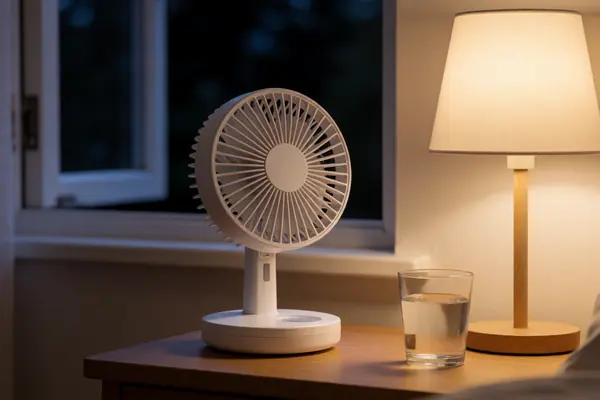
The CDC says to use fans only if indoor temperatures are below 90°F. Above that, a fan can increase body temperature.
What to do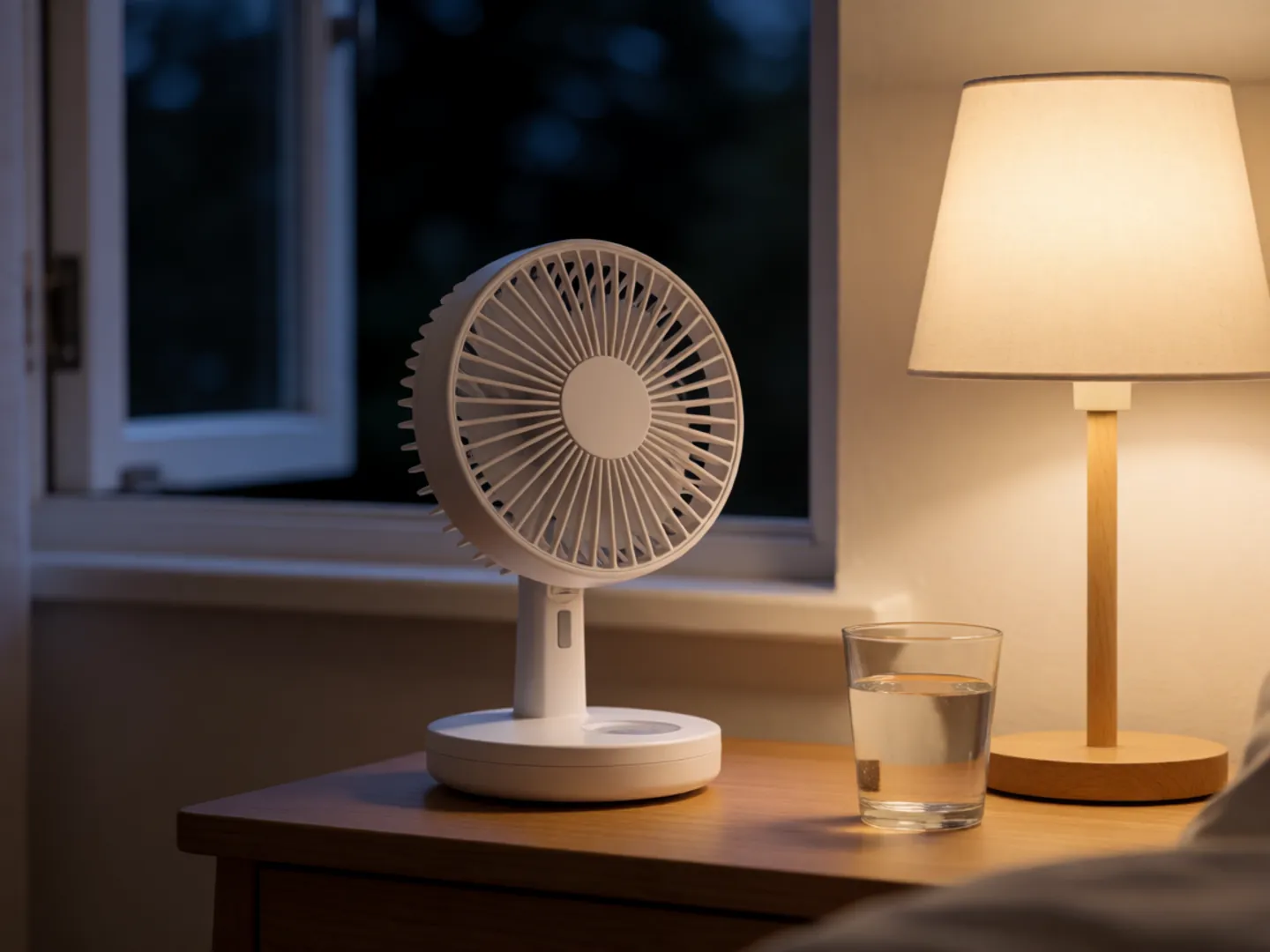
FOUR STEPS FROM THE GUIDANCE
These come from Ready.gov's extreme heat advice and the CDC, and work in older homes as well as new ones.
Cover windows with drapes or shades, and consider window reflectors to send heat back outside.
Weather-strip doors and windows so hot outside air does not leak in.
Use fans only if indoor temperatures are below 90°F, and do not rely on a fan as your main cooling device.
Check on family, older adults and neighbors, especially anyone who lives alone or has chronic medical problems.
WHEN WINDOWS CAN'T OPEN
If noise keeps the window shut, Ready.gov suggests installing a window air conditioner and insulating around it, and covering windows so less heat gets in during the day.
If you cannot afford cooling costs, Ready.gov points to the Low Income Home Energy Assistance Program (LIHEAP). The CDC suggests dialing 2-1-1 or contacting your local health department to find air conditioning or a cooling location.
Questions
Not directly. 24 CFR 51.101 applies to HUD programs that provide assistance, subsidy or insurance for housing. It is still a useful yardstick for how quiet a bedroom should be.
It is HUD's goal for the indoor sound environment: averaged over a full day and night, sound inside should not exceed 45 decibels. HUD stresses bedrooms as noise-sensitive spaces.
They help. Ready.gov advises covering windows with drapes or shades and weather-stripping doors and windows. Window reflectors can also send heat back outside.
The CDC says to use fans only if indoor temperatures are below 90°F. Above that, a fan can increase body temperature, so find air conditioning or a cooling location instead.
Dial 2-1-1 or contact your local health department to find a cooling location, says the CDC. Ready.gov points to LIHEAP for help with cooling costs.
Sources
ABOUT THIS NAME
soundproofhouses.com is part of the DoodleSale portfolio. It isn't in an auction right now, but you can ask about leasing it.